Cima Caponiera and Ca’ Rugate’s Journey into Valpolicella Classica
After more than twenty years of experience in Valpolicella, Ca’ Rugate enters the historic Classica area with Cima Caponiera, an Amarone Riserva born from a vineyard situated at approximately 600 metres above sea level.
More than the beginning of a new journey, our arrival in the historic Amarone production...
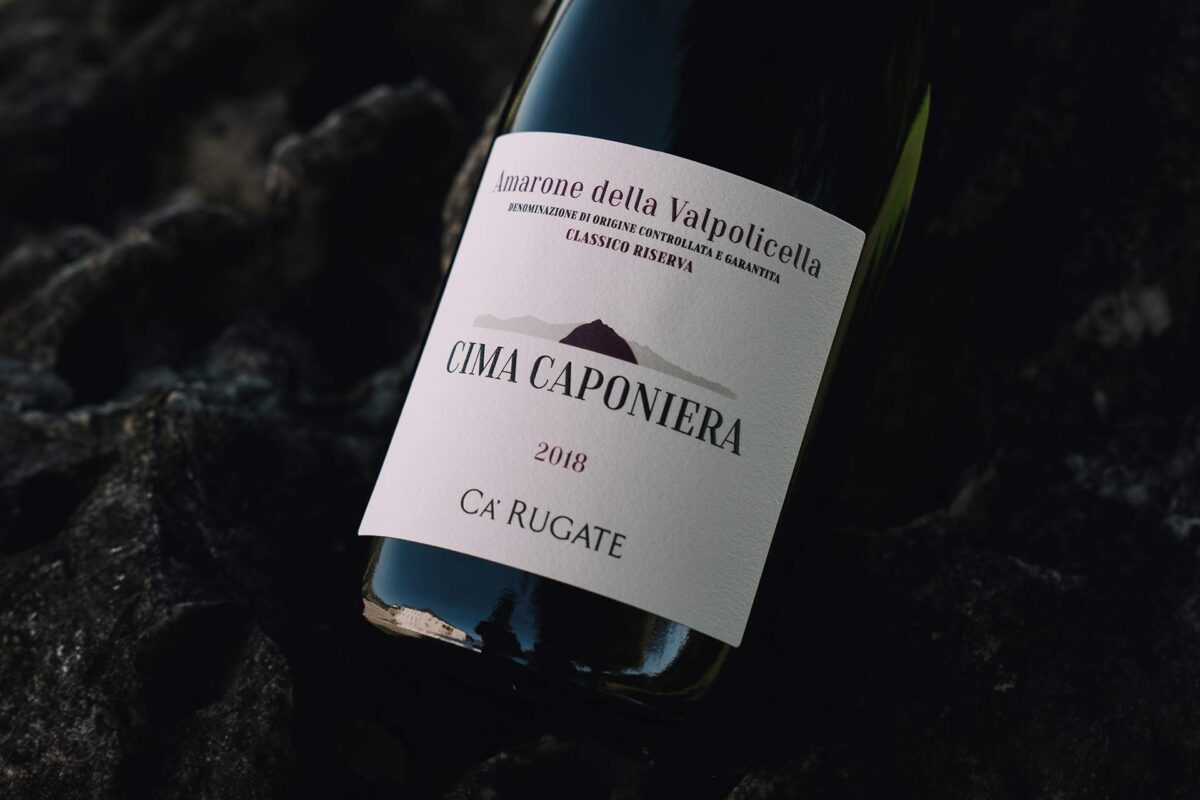
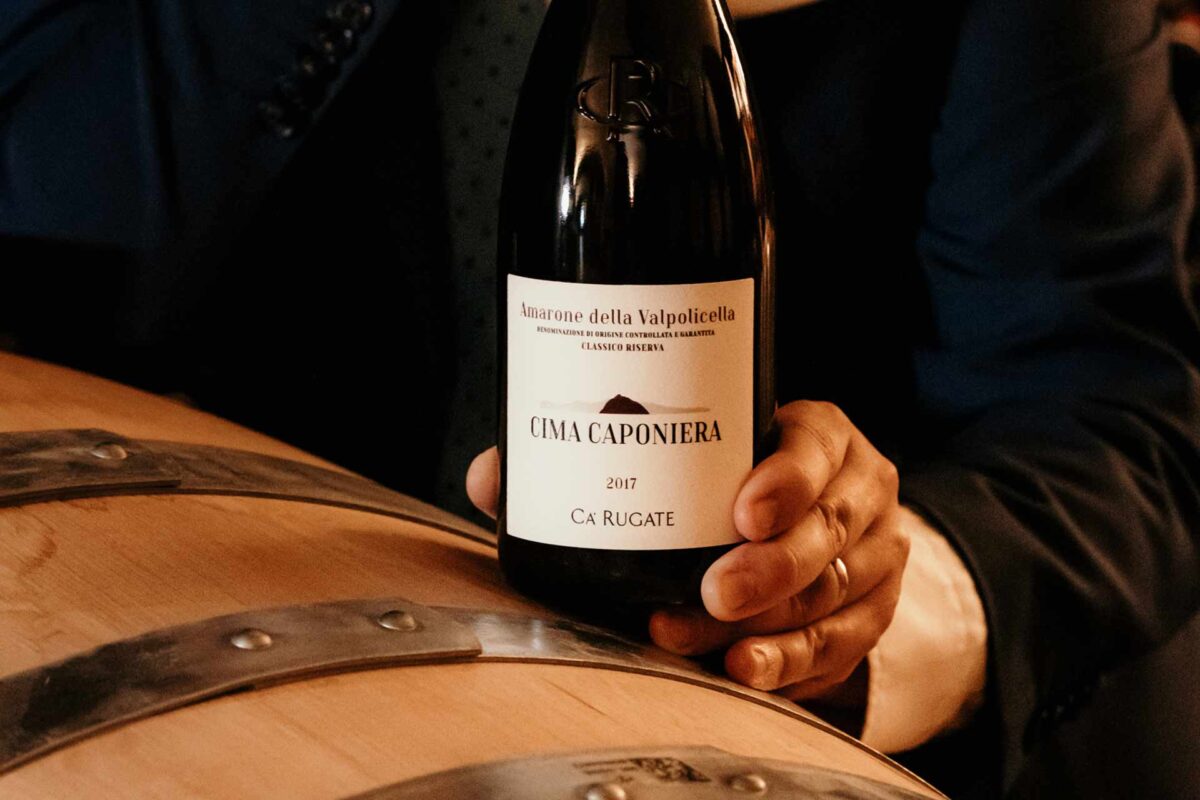
More than the beginning of a new journey, our arrival in the historic Amarone production area represents the culmination of our viticultural and winemaking journey. A milestone with a distinctive name: Cima Caponiera, Amarone della Valpolicella Classico Riserva DOCG.
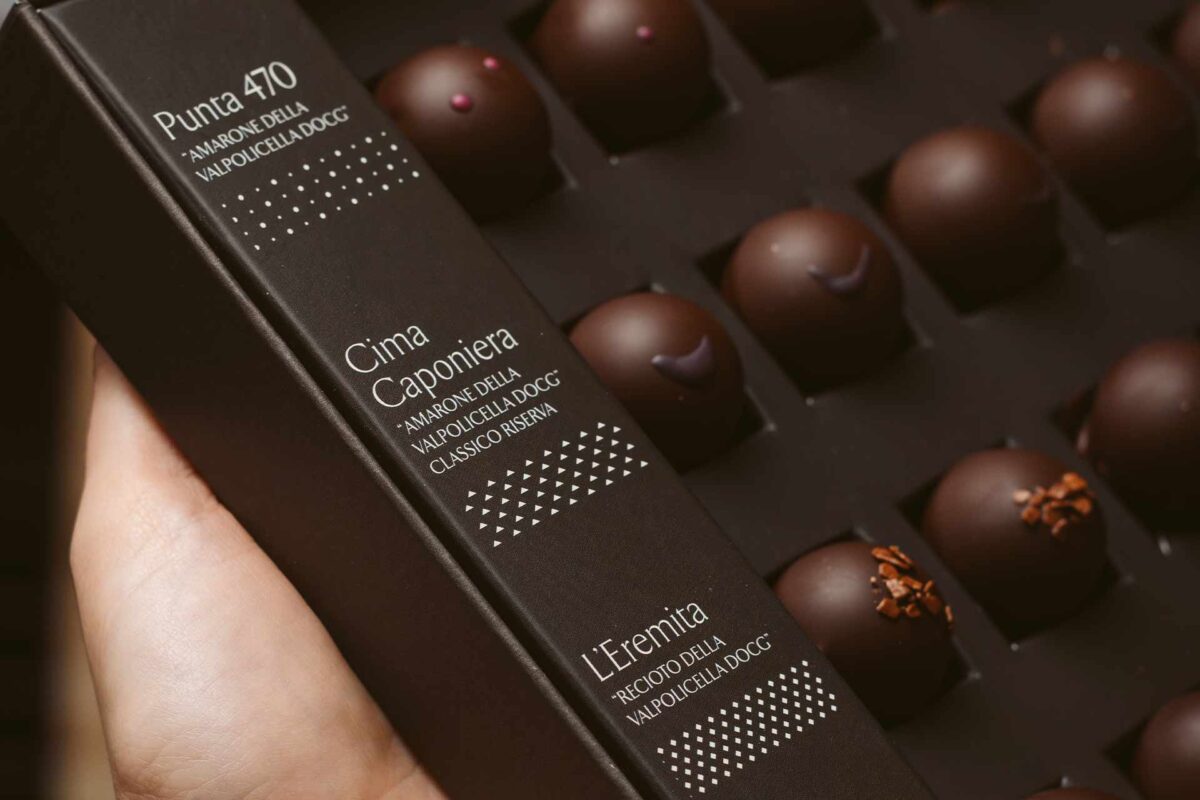
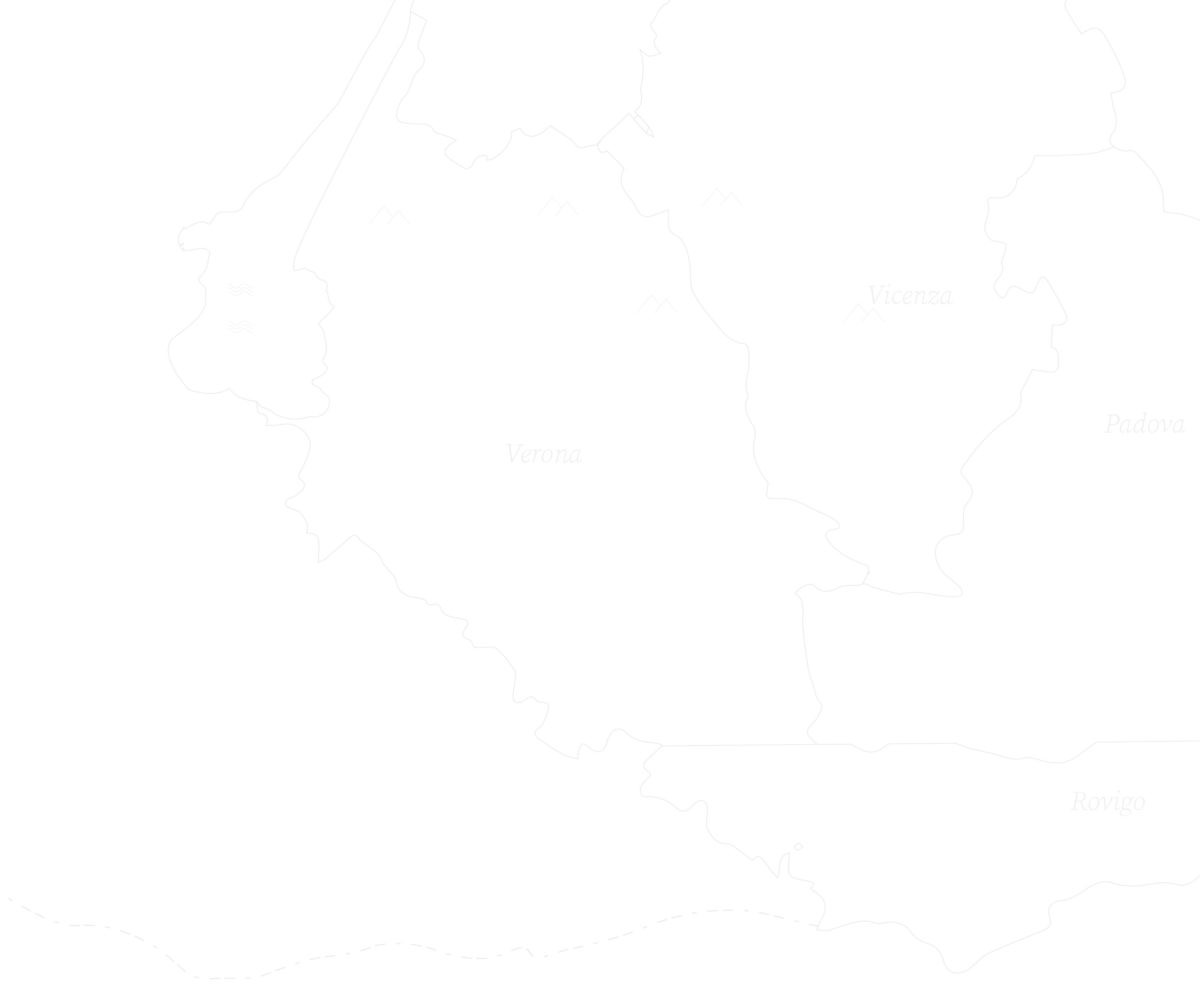
Our journey with the red wines of Valpolicella began in 2001 under the guidance of Michele Tessari. In a family renowned for its white wines, he was the one who believed in the potential of Veneto’s native red grape varieties. The first vines were planted on the hills of Montecchia di Crosara, in the DOC area north-east of Verona, where our Amarone Punta 470 is produced. After more than twenty years of experience in this area, enriched by the lessons that only countless harvests can teach, the time had come to embrace the challenge of the Classica area, north-west of the city. It represents the pinnacle of the pyramid, home to the wineries and terroirs that have shaped the worldwide success of this unique wine.
We approached it with humility and patience: we studied, learned and carefully selected the site, with the utmost respect for those who have written its history. Here, too, we wanted to express our distinctive signature, consistent over the decades in both our white and red wines: a balance between depth, complexity and remarkable drinkability.
A vineyard at 600 metres above sea level
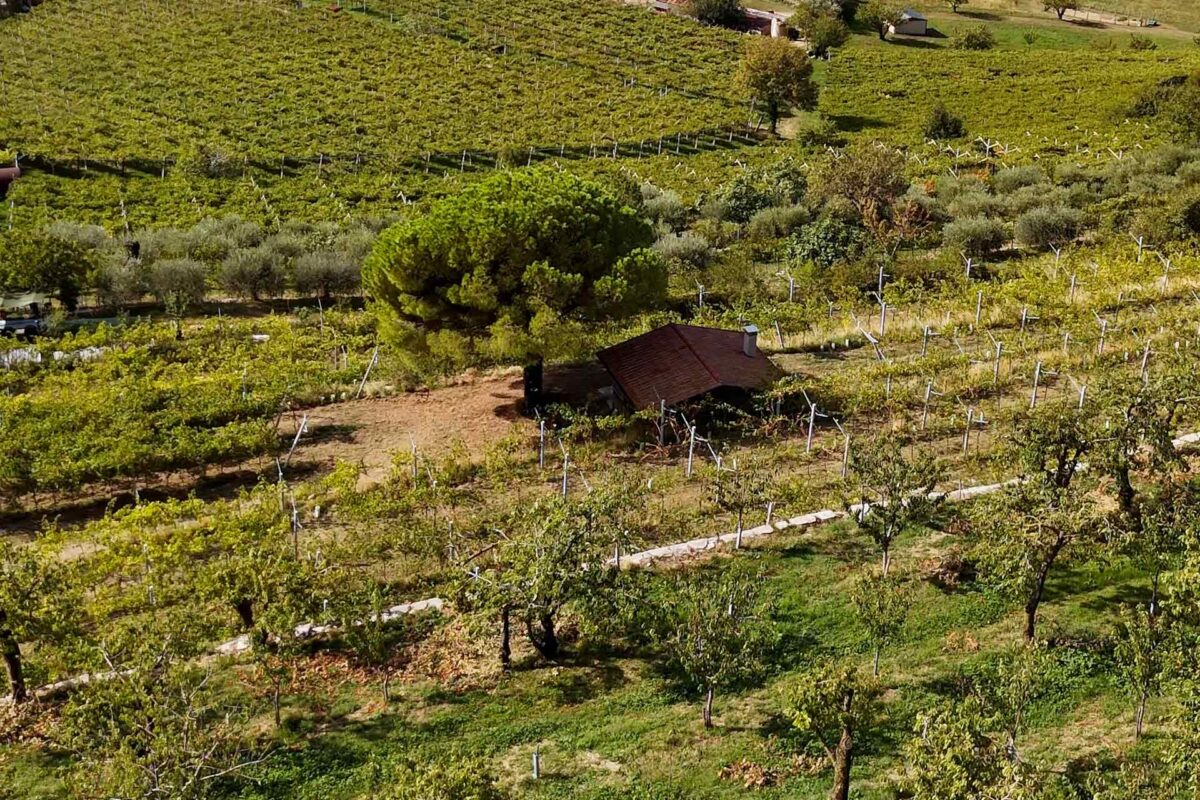
In Monte, a hamlet of Sant’Ambrogio di Valpolicella, lies a vineyard at approximately 600 metres above sea level, characterised by loose, pebbly soils with a high proportion of rock fragments. This is where Cima Caponiera is born. From up here, the view stretches from Lake Garda to the Dolomites.
The back label, signed by Michele Tessari, portrays this place in the following words:
“Cima Caponiera, like a painting, amid oxygen, wind, lake and mountains silhouetted against the light, capturing the essence of its memory.”
The name itself comes from this stretch of hillside. In military architecture, a caponier is a defensive structure, and the place name evokes an ancient stronghold guarding the surrounding territory.
The altitude is a forward-looking choice: climate change is driving viticulture ever higher, towards vineyards that have historically been more challenging to cultivate. At this elevation, nights are cooler and diurnal temperature variations are greater, allowing the grapes to ripen slowly while preserving their acidity. For us, accustomed to working at high altitudes and on steep slopes, these are the ideal conditions for crafting wines with vibrant energy, even within an inherently full-bodied wine style: an Amarone capable of combining elegance and vitality.
From harvest to the drying room
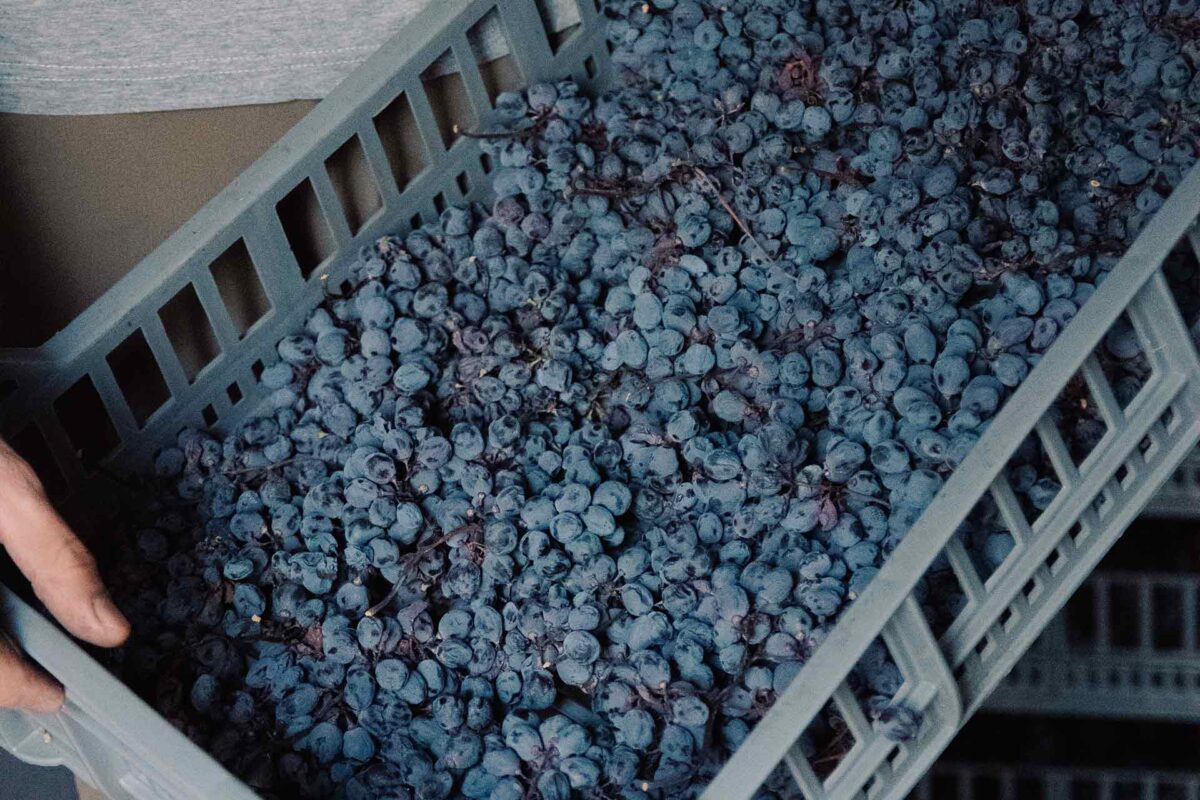
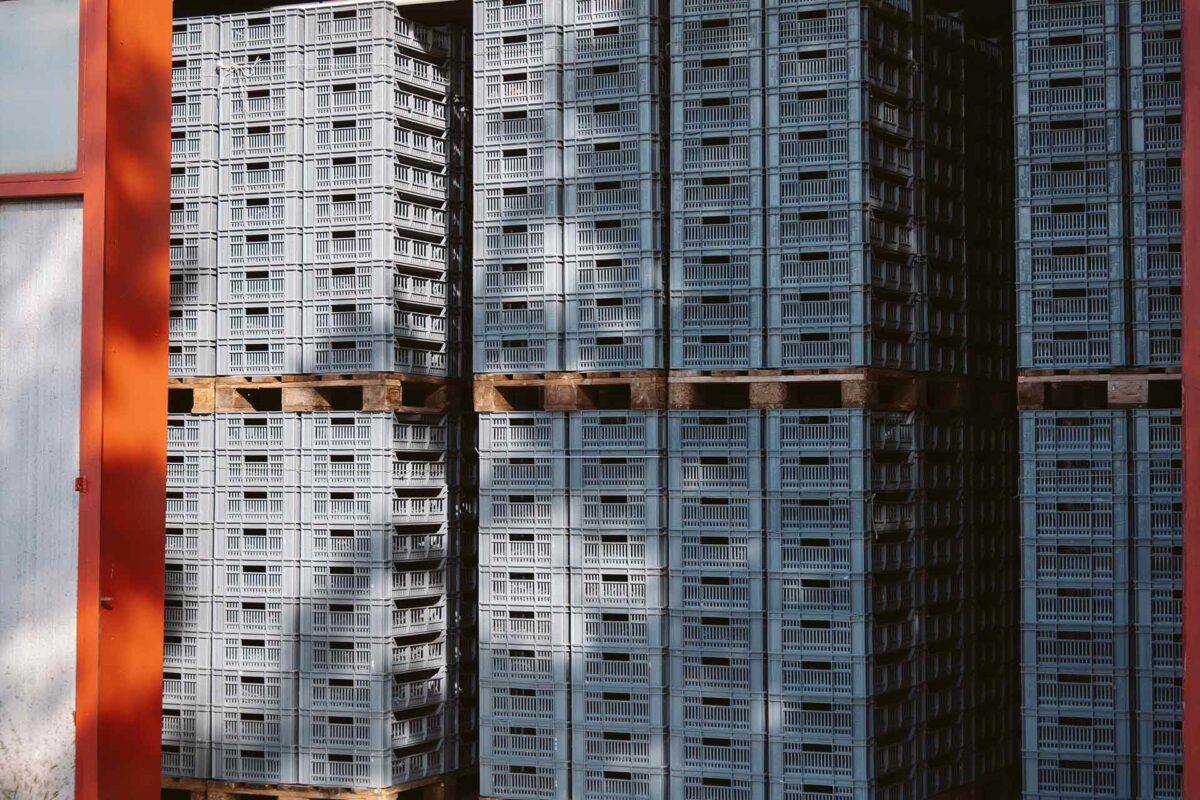
The blend brings together Corvina (45%), Corvinone (40%) and Rondinella (15%). The grapes are harvested by hand in the second half of September and placed in specially designed crates, without overlapping the bunches, to ensure optimal air circulation around the berries.
Then comes the unhurried rhythm of the fruttaio, the traditional grape-drying room: over several months, the grapes gradually dehydrate, concentrating their sugars and phenolic compounds. Appassimento is not a process of force, but one of patience and air.
Crushing takes place in the winter following the harvest. Once fermentation is complete, the wine is aged in 2,000-litre oak casks for approximately four years. Production amounts to around 4,000 bottles.
Awards and recognition
The 2019 vintage has received three accolades, each highlighting a different aspect of the wine. The fact that a 2019 vintage represents us also demonstrates how essential time is in telling an authentic and credible story.
- Top Wine – Slow Wine 2027: The guide published by Slow Food Editore, dedicated to good, clean and fair wines, looks beyond what is in the glass, considering environmental sustainability, respect for the territory and the working ethics of those who produce the wine. The Top Wine award recognises wines that achieve the highest tasting evaluations. Of all the accolades, this is the one that most closely reflects who we are: these are the very principles that guide our vineyard management decisions, and seeing them recognised alongside the quality of the wine makes the award doubly meaningful.
- 95 points – Falstaff: The highest score among the ten Ca’ Rugate wines assessed by the international publication, all of which received between 91 and 95 points. The tasting note describes an enveloping profile, ripe tannins and a spicy, lingering finish.
- Gold Medal – Mondial des Vins Extrêmes: Now in its 34th edition, the competition organised by CERVIM is dedicated to wines from heroic viticulture: vineyards situated above 500 metres, on slopes exceeding 30%, on terraces or on small islands. For an Amarone born at 600 metres above sea level, this is the award most closely connected to its vineyard. In the same edition, Ca’ Rugate secured three additional gold medals with Amedeo, Punta 470 and Bucciato.
In the glass and at the table
Cima Caponiera brings together all the experience Ca’ Rugate has gained in crafting Verona’s red wines. In the glass, it displays a garnet-red colour, with aromas of blackberry, currant and cherry, complemented by spicy notes. On the palate, it is well balanced, with hints of dried grapes.
Best served at around 17°C, it is a wine perfectly suited to the cuisine of the colder months: grilled meats, braised dishes, game and aged cheeses. Alongside the standard bottle, it is also available in magnum and 3-litre formats.
Discover Cima Caponiera and the wines of Valpolicella as interpreted by Ca’ Rugate.